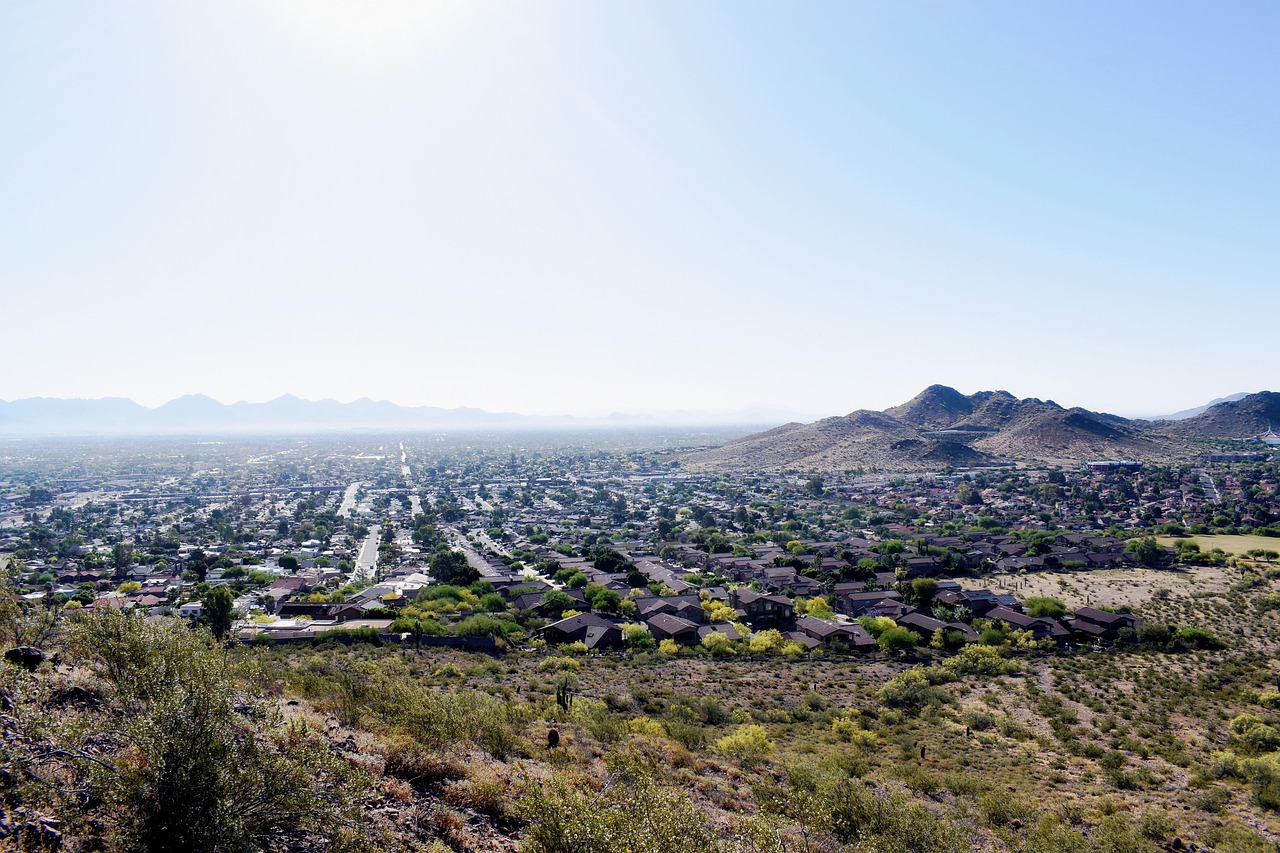
Phoenix, Arizona, offers a vibrant real estate landscape with diverse neighborhoods, affordable pricing, and a thriving economy, making it an attractive destination for buyers and investors alike. This updated guide explores the current market trends, highlights top areas, provides insights on Phoenix Arizona homes for sale, and answers common questions to equip potential homeowners and investors.
Introduction to Phoenix Arizona Real Estate
Phoenix Arizona, nestled in the heart of the Sonoran Desert, has evolved into a bustling metropolis renowned for its sunny climate, vibrant culture, and robust economy. With a population exceeding 1.6 million within the metropolitan area, the city's real estate market (real estate market on buzzzoomer.com) reflects its appeal, offering a wide array of housing options to suit various lifestyles. This article delves into the current state of Phoenix's real estate, providing valuable insights for those seeking to buy or invest in this dynamic market.
Market Overview: Trends and Predictions
Recent Performance
The Phoenix Arizona real estate market has experienced consistent growth over the past few years, defying national trends. According to the Arizona Association of Realtors, median home prices have risen steadily, with a 12% increase from 2020 to 2021. This upward trend is attributed to robust demand, limited inventory, and a strong local economy.
Factors Driving the Market
Several key factors contribute to Phoenix's attractive real estate environment:
-
Affordability: Compared to other major metropolitan areas, Phoenix offers relatively lower home prices, making it an appealing option for first-time homebuyers and investors seeking value.
-
Job Growth: The city boasts a diverse economy with thriving sectors like healthcare, technology, and tourism, leading to consistent job creation and a robust workforce.
-
Desirable Lifestyle: Phoenix's sunny climate, scenic natural surroundings, and vibrant cultural scene draw in residents and visitors alike, fostering a sense of community and high livability.
Predictions for the Future
Experts anticipate continued growth in the Phoenix market, with potential fluctuations in pricing due to various economic factors. Here are some key predictions:
-
Housing Inventory: The low inventory trend is expected to persist, impacting the competitive nature of the market. However, increased construction projects may mitigate this issue over time.
-
Interest Rates: Rising interest rates could impact buyer affordability but might also encourage more transactions as buyers rush to secure financing before rates increase further.
-
Demographics: Phoenix's growing population and young workforce suggest continued demand for housing, particularly in areas offering convenient amenities and a high quality of life.
Exploring Top Neighborhoods in Phoenix Arizona
Phoenix is defined by its diverse neighborhoods, each offering unique characteristics and attractions. Here are some standout areas for potential homebuyers:
1. Central Phoenix
- Location: Central Phoenix lies at the city's heart, bordering Downtown and offering easy access to top attractions.
- Attractions: This vibrant neighborhood boasts a mix of historic homes, modern high-rises, and a thriving culinary scene. It is home to numerous art galleries, museums, and cultural events.
- Homes for Sale: Central Phoenix features a variety of housing types, from charming bungalows to luxurious villas. Prices range widely, reflecting the area's desirability and central location.
2. North Mountain
- Location and Amenities: Nestled in the northern part of the city, North Mountain offers a peaceful retreat with scenic trails, parks, and a close-knit community feel.
- Housing Options: The neighborhood features primarily single-family homes, many built in the 1950s and 1960s, offering affordable options for families and retirees.
- Pros: North Mountain is known for its strong sense of community, excellent schools, and relatively quieter streets compared to downtown areas.
3. Desert View and Camelback
- Scenic Beauty: These neighboring neighborhoods are celebrated for their breathtaking desert landscapes and iconic landmarks like Camelback Mountain.
- Market Trends: Properties in this area often command premium prices due to the stunning views and proximity to popular hiking trails.
- Homes: Desert View and Camelback offer a mix of luxury estates, modern condos, and traditional single-family homes. The neighborhood is popular among young professionals and families.
4. South Mountain
- Cultural Diversity: Known for its cultural diversity and vibrant Hispanic community, South Mountain offers a unique blend of neighborhoods.
- Housing Affordability: This area provides some of the most affordable housing options in Phoenix, making it attractive to first-time homebuyers.
- Community Features: South Mountain boasts numerous parks, recreational facilities, and a strong sense of neighborhood pride.
Phoenix Arizona Homes for Sale: A Buyer's Perspective
For those actively seeking Phoenix Arizona homes for sale, the market presents exciting opportunities:
-
Variety in Styles and Prices: The real estate landscape spans from charming bungalows and traditional ranches to modern condos and luxury estates. Prices vary widely, catering to buyers of all budgets.
-
New Construction: Phoenix experiences a steady flow of new construction projects, providing recently built homes with contemporary features and designs.
-
Investment Potential: With affordable pricing relative to other major cities, Phoenix offers lucrative investment opportunities for both local and out-of-state investors.
-
Real Estate Trends: Current trends indicate a growing demand for energy-efficient homes, smart home technology, and properties in walkable neighborhoods with easy access to amenities.
Frequently Asked Questions (FAQs)
1. What is the average price range for Phoenix Arizona homes?
The average home price in Phoenix ranges from $200,000 for smaller condos or older homes in certain neighborhoods to over $1 million for luxury estates and custom-built properties in exclusive areas.
2. How does the Phoenix market compare to other U.S. cities?
Phoenix's real estate market stands out for its relative affordability compared to coastal cities like San Francisco or New York. While prices have been rising, they remain more accessible, making it an attractive option for buyers seeking value.
3. Are there any tax benefits for homeowners in Phoenix Arizona?
Yes, Arizona offers several tax advantages, including no state income tax on personal earnings and property taxes that are generally lower than many other states. This can result in significant savings for homeowners.
4. What are the best areas for families to live in Phoenix?
Neighborhoods like North Mountain, South Mountain, and parts of Central Phoenix are popular among families due to their strong school districts, safe streets, and access to recreational facilities. These areas provide a balanced blend of community, culture, and nature.
5. How has the pandemic impacted the Phoenix real estate market?
Like many markets, Phoenix experienced fluctuations during the pandemic. However, it ultimately saw robust demand, particularly from remote workers seeking affordable housing in desirable locations. The low inventory trend accelerated, creating a competitive environment for buyers.
Conclusion: A Thriving Market with Endless Possibilities
Phoenix Arizona's real estate market continues to flourish, offering a dynamic and diverse range of housing options. With affordable pricing, a thriving economy, and a high quality of life, the city appeals to a broad spectrum of homebuyers and investors. As the market evolves, those interested in Phoenix Arizona homes for sale can expect continued growth, making it an excellent time to enter or re-enter the local real estate scene.